Key Takeaways
- Edge AI Integration: 2nm lithography enables large language models to operate locally, enhancing data privacy and significantly reducing response latency.
- Silicon-Carbon Battery Chemistry: Next-generation cell density finally facilitates 48-hour real-world uptime under intensive enterprise workloads.
- Professional-Grade Optics: Strategic partnerships with Leica, Hasselblad, and Zeiss have effectively bridged the gap between mobile hardware and full-frame mirrorless systems.
The 2026 flagship landscape has transcended the iterative cycles of 2024. These devices now position themselves as direct competitors to professional workstations, dedicated imaging hardware, and high-fidelity field recorders. The transition to 2nm processors—which support complex generative models directly on the hardware—has redefined the architectural requirements for the “high-end” segment.
To understand the macro-economic impact of this silicon transition, our analysis of the economics of the 2nm shift serves as the essential baseline.
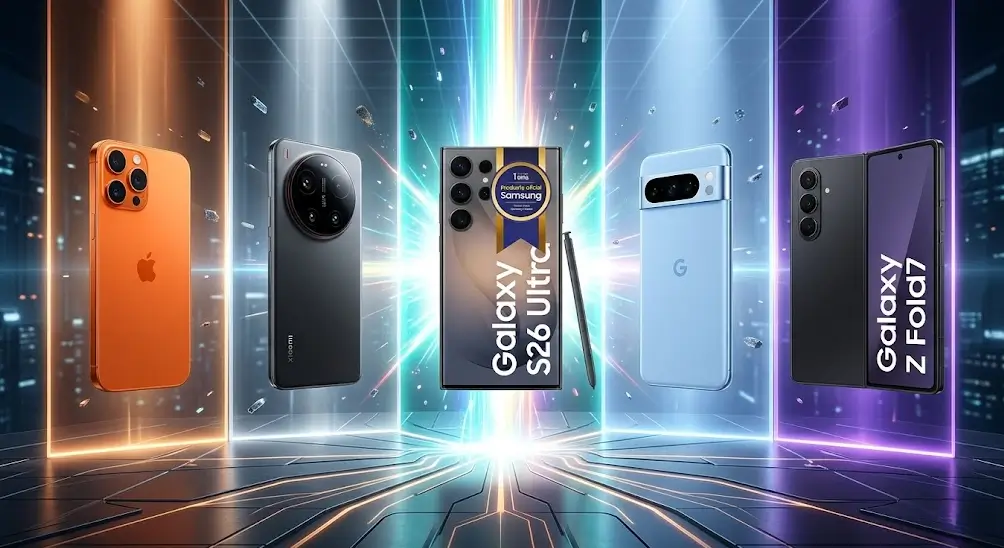
Quick Comparison: The Best of 2026
Samsung
Galaxy S26 Ultra
Xiaomi
17 Ultra
Apple
iPhone 17 Pro Max
Pixel 10 Pro XL
OPPO
Find X9 Ultra
Samsung
Galaxy Z Fold 7
ASUS
ROG Phone 10
Nothing
Phone (3)
Samsung Galaxy S26 Ultra: The New Standard for Productivity
The most significant advancement is the Privacy Display: a Dynamic AMOLED 2X panel that intelligently restricts viewing angles upon detecting sensitive on-screen data. This technology eliminates the need for physical privacy filters without compromising visual fidelity for the primary user. Detailed technical specifications are available in our deep dive into the Galaxy S26 Ultra and its Privacy Display.
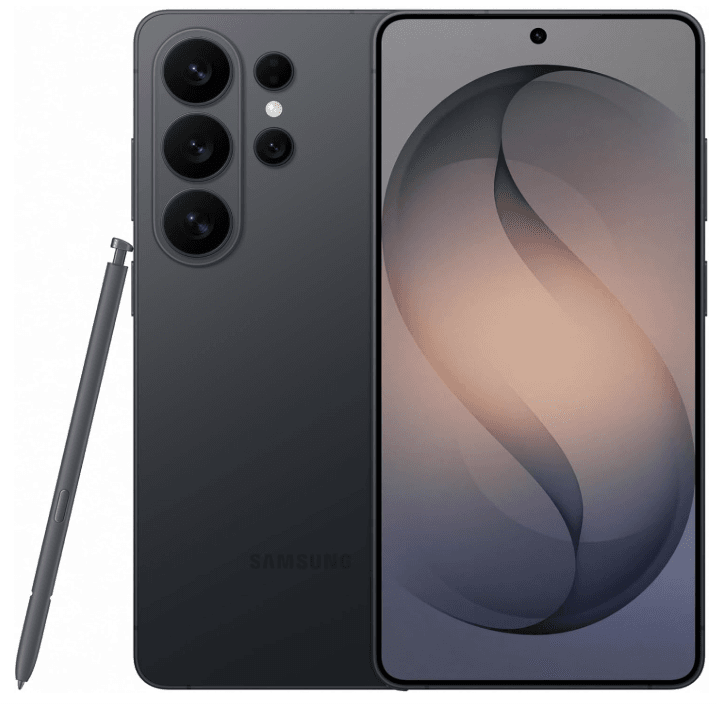
Samsung Galaxy S26 Ultra, Unlocked Android Smartphone, 256GB, Privacy Display
The S-Pen has been upgraded with spatial gesture recognition, allowing users to manage presentations and execute complex photo edits through next-generation inertial sensors.
| Specification | Galaxy S26 Ultra |
| Processor | Snapdragon 8 Elite 2 (2nm) |
| Primary Camera | 200 MP with ProVisual Engine |
| Display | 6.8″ AMOLED Privacy Display |
| RAM | 16 GB LPDDR6 |
| Battery | 5,500 mAh / Up to 48-hour endurance |
Apple iPhone 17 Pro Max: 72-Hour Efficiency Benchmarks
The A19 Pro chipset represents a paradigm shift in mobile power efficiency. New carbon-lithium battery densities, synchronized with the A19 Pro’s performance cores, achieve 72 hours of moderate operation—a metric previously exclusive to specialized industrial devices with 6,000 mAh capacities.
Apple iPhone 17 Pro Max, US Version, 256GB, eSIM, Cosmic Orange- Unlocked (Renewed) | eSIM, Renewed
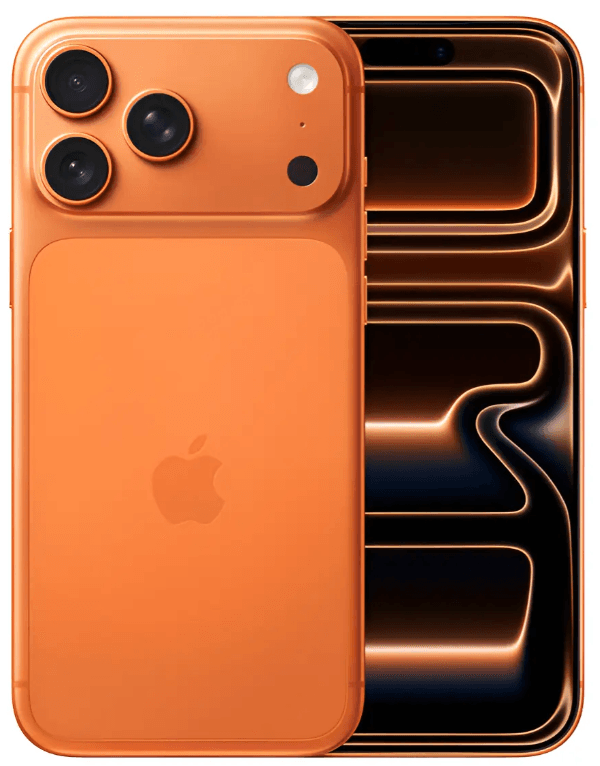
The quad-camera 48 MP array introduces a 6x periscope telephoto lens with “Photonic Consistency.” This ensures zero perceptible shifts in color temperature or exposure when transitioning between focal lengths during 8K video acquisition.
Apple’s 2026 strategy also includes the iPhone Air, replacing the Plus variant with a focus on structural minimalism. It features a forged aluminum chassis and IP68 certification, housing A19 performance within the market’s thinnest profile.
Discover the new iPhone Ultra: Design, price, and challenges of Apple’s first foldable
| Feature | iPhone 17 Pro Max | iPhone 17 Air |
| Chipset | A19 Pro (2nm) | A19 (2nm) |
| Display | 6.9″ Super Retina XDR | 6.7″ Ultrathin OLED |
| RAM | 12 GB | 8 GB |
| Build | Grade 5 Titanium | Forged Aluminum |
| Camera | Quad 48 MP System | Dual 48 MP System |
Google Pixel 10 Pro XL: The Inaugural Custom Silicon
The Tensor G5, manufactured by TSMC to Google’s proprietary specifications, enables a level of hardware-software vertical integration previously unattainable on Android. Android 16 operates on optimized silicon, achieving a degree of fluid execution that rivals the Apple ecosystem.
A dedicated portion of the Pixel 10 Pro XL’s 16 GB RAM is reserved for local Gemini inference. Email summarization, calendar orchestration, and advanced generative photo editing occur on-device, bypassing network latency and data security risks. This implementation aligns with the trends analyzed in our report on local AI power consumption within mobile form factors.
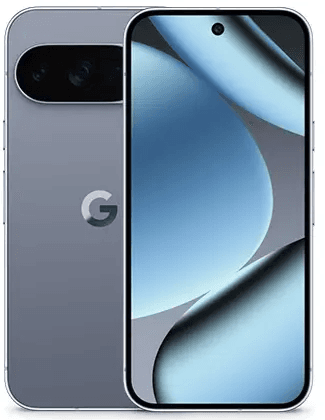
Google Pixel 10 Pro XL – Unlocked – Gemini AI Assistant, Triple Rear Camera System
Night Sight remains the industry benchmark for low-light performance. The AI-assisted 100x zoom now provides high-fidelity detail suitable for wildlife photography, delivering on the technological promises of previous generations.
Xiaomi 17 Ultra: Peak Imaging Hardware
Utilizing the 1-inch Sony LYT-900 sensor and Leica Summilux optics, the Xiaomi 17 Ultra provides the highest RAW editing headroom in the mobile market. The inclusion of continuous optical zoom eliminates digital artifacts between focal lengths, resulting in more organic imagery.
The 120W HyperCharge system fundamentally alters user behavior, reaching 100% capacity in under 10 minutes. While the discourse regarding high-wattage charging and battery longevity persists, the utility for high-mobility professionals remains a decisive factor.
| Attribute | Direct Functional Benefit |
| Leica Summilux | DSLR-equivalent image quality in a mobile form factor |
| 120W HyperCharge | Full charge cycle in under 10 minutes |
| 1″ Sony LYT-900 Sensor | Natural bokeh and exceptional low-light acquisition |
| HyperOS 3.0 | Seamless interconnection within the vehicle and IoT ecosystem |
Foldables: Form Factor Maturity
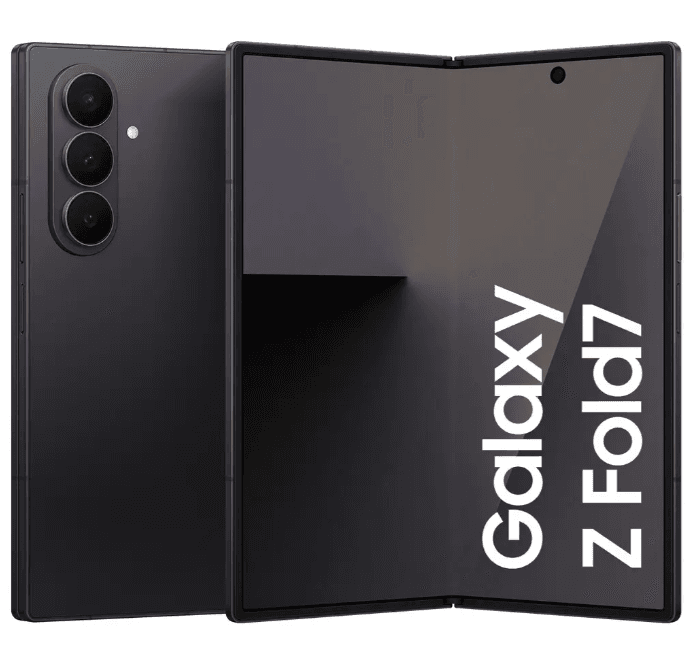
The Samsung Galaxy Z Fold 7 has virtually eliminated the visible display crease via Ceramic Glass 2. Supporting three simultaneous applications and native Gemini Live integration for video conferencing, it has successfully transitioned from a niche device to a legitimate tablet replacement for business travelers.
Samsung Galaxy Z Fold7 Cell Phone, 256GB AI Smartphone
Furthermore, the Samsung Galaxy Z TriFold expands into a 10-inch workspace from a standard 6.5-inch handset profile. Our Galaxy Z TriFold analysis examines how this design is poised to resegment the category.
Three Dominant Market Trends in 2026
- 2nm Nodes and Edge AI: Increased transistor density results in higher computational throughput with lower thermal output. The primary impact is local LLM execution, allowing digital assistants to operate without external data transmission. This mirrors the logic currently driving AI Mini PCs, now condensed into a smartphone chassis.
- Bidirectional Satellite Connectivity: Samsung, Xiaomi, and Google now include this as a standard feature. Messaging and geolocation services function independently of 5G infrastructure, providing coverage in remote maritime or terrestrial zones.
- The “AI RAM Tax”: Localized language models are memory-intensive. The baseline for the flagship segment has shifted to 12 GB, with premium configurations requiring 16 GB. As detailed in our comparison of DDR5 vs. LPCAMM2 RAM, the demand for higher bandwidth and capacity continues to maintain premium price points.
Purchasing Guide: Profiling Your Requirements
- Professional Imaging: Xiaomi 17 Ultra or Huawei Pura 80 Ultra. These devices offer large-format sensors, granular manual controls, and professional RAW headroom.
- Enterprise Productivity: Samsung Galaxy S26 Ultra or Galaxy Z Fold 7. Optimized for S-Pen input, robust multitasking, and Galaxy AI 3.0 for autonomous schedule management.
- Content Creation: Google Pixel 10 Pro XL or iPhone 17 Pro Max. Leaders in video color consistency, rapid AI-driven editing, and natural skin tone reproduction.
- High-Performance Gaming: ASUS ROG Phone 10 or Realme GT 7 Pro. Features active liquid cooling and physical triggers for mobile e-sports.
- Price-to-Performance Optimization: Nothing Phone (3) or POCO F8 Pro. These provide Snapdragon 8 Elite performance at a significantly lower entry point than “Ultra” tier models.
Sustainability: The Smartphone as a Long-Term Asset
The era of the annual upgrade cycle has ended. Samsung and Google now guarantee software support for up to 7 years. Furthermore, the use of Grade 5 titanium and second-generation ceramic glass has significantly improved physical durability.
Investing in a 2026 flagship is now a 4-to-6-year commitment with high residual value. This mirrors the current trend in the 2026 laptop market, where architectural efficiency ensures longer hardware amortization.
Frequently Asked Questions about best High-End Smartphones
This depends on the specific use case. For technical photography and manual control, the Xiaomi 17 Ultra is superior. Social media and video workflows, the iPhone 17 Pro Max offers the best stabilization and consistency. For automated, point-and-shoot computational photography, the Google Pixel 10 Pro XL remains the leader.
Yes, under standard operational conditions. Models utilizing silicon-carbon technology, such as the OPPO Find X9 Ultra (7,500 mAh) or the iPhone 17 Pro Max, achieve these benchmarks in real-world professional environments, not just synthetic laboratory tests.
For users focused on high-volume content consumption or complex multitasking, yes. The crease is nearly imperceptible on the Z Fold 7, and structural durability is now equivalent to rigid flagship devices.
The 2026 baseline for high-end devices is 12 GB. However, to ensure optimal performance for local AI models and multi-year longevity, 16 GB is the recommended specification.