Raw processing power is no longer the benchmark. In 2026, the Snapdragon 8 Elite Gen 5 and Apple A19 Pro execute console-grade triple-A titles without friction. The real differentiator is thermal throttling: how effectively a device sustains peak performance after 30, 45, or 60 minutes of continuous gameplay.
Manufacturers responded with fully redesigned chassis architectures. These are the seven devices that solve that problem more effectively than any alternative on the market.
Key Takeaways
- Active physical cooling (internal fans and oversized vapor chambers) is the decisive factor for sustaining stable frame rates without FPS drops across extended sessions.
- Batteries exceeding 5,000 mAh are now the baseline for this segment; the top gaming phones reach up to 7,500 mAh without requiring external accessories.
- The gap between a dedicated gaming phone and a conventional flagship is no longer aesthetic: it is defined by sustained thermal management across sessions exceeding one hour.
1. REDMAGIC 11 Pro: The Sustained Performance Leader
It scores over 3.9 million points on AnTuTu, the highest Android benchmark result of the year. But the number that defines this device is not the benchmark score: it is the internal physical fan spinning at 24,000 RPM, backed by the Reinforced AquaCore liquid cooling system. No external accessories. No thermal compromise.
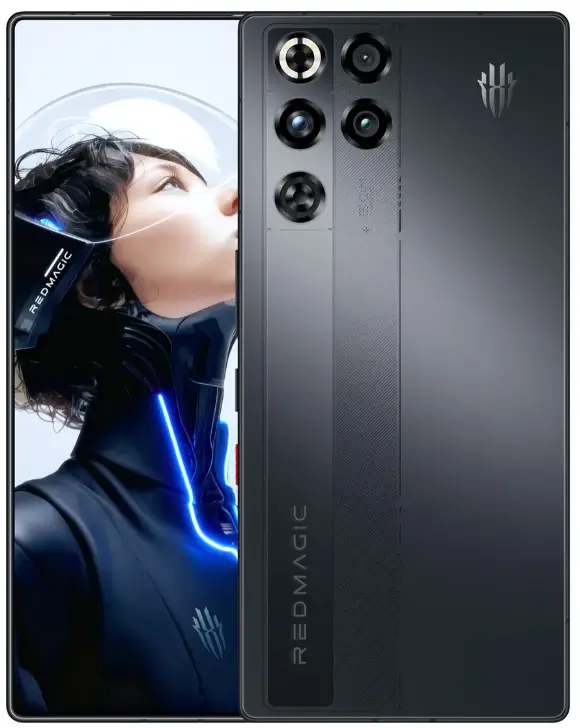
Redmagic 11 Pro – 12gb RAM – 256gb – 144hz – 7500mah – Deal $899
The combination dissipates heat directly to the exterior, maintaining stable frame rates even beyond one hour of intensive gameplay, something that passive graphite systems cannot guarantee with next-generation silicon.
Key specifications:
- Battery: 7,500 mAh with 80W wired charging (over 14 continuous hours of gameplay)
- Display: 144 Hz
- Lateral touch triggers: 550 Hz sampling rate, 5.5 ms latency
- Base price: €790 / $899
2. ASUS ROG Phone 9 Pro: Competitive Engineering at Its Limit
ASUS takes the most complete gaming ecosystem on the market one step further. The ROG Phone 9 Pro is not a smartphone with gaming extras: it is competition-grade hardware in smartphone form.
Its 6.78-inch Samsung AMOLED panel reaches 185 Hz in Game Genie mode, with peak brightness of 2,500 nits. The rear panel abandons decorative RGB to integrate AniMe Vision: a matrix of 648 programmable micro-LEDs that display real-time alerts and can run interactive mini-games mapped to the ultrasonic triggers.
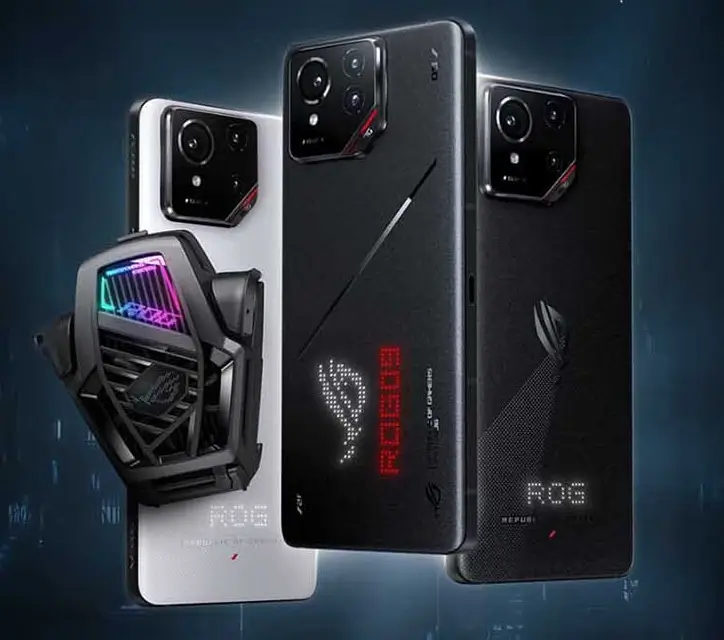
The 3.5 mm port is present. AeroActive Cooler X Pro accessory adds an integrated subwoofer for tactile feedback and audio reinforcement. For the competitor that accepts no ecosystem compromises.
Key specifications:
- Processor: Snapdragon 8 Elite
- Battery: 5,800 mAh
- Base price: $1,499
3. Samsung Galaxy S26 Ultra: The Definitive Hybrid Flagship
The S26 Ultra is not a pure gaming phone. It is the most complete device on the market for users who need the same hardware for professional work, photography, and gaming without degrading any of the three functions.
The Snapdragon 8 Elite “for Galaxy” variant delivers a 24% improvement in graphics performance and a 39% NPU gain over the previous generation. The redesigned vapor chamber dissipates 20% more heat than its predecessor.
Samsung Galaxy S26 Ultra – 256 gb – 12 gb – Privacy Display (Deal $1,212)
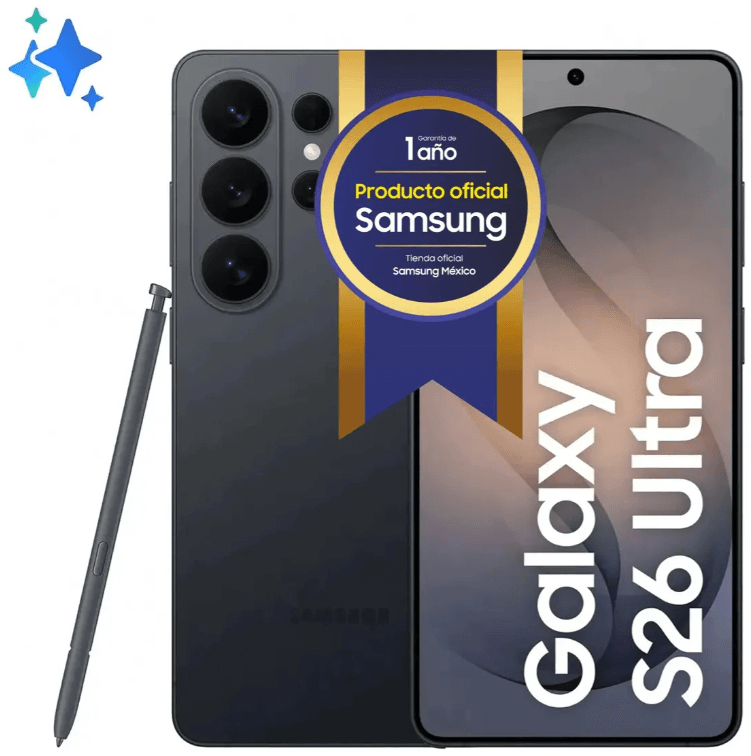
The standout feature this year is a hardware-level Privacy Display: it obscures screen content from lateral viewers without affecting the player’s experience or color accuracy.
Key specifications:
- Display: Dynamic LTPO AMOLED 2X, 6.9″, Gorilla Armor 2, 120 Hz
- Main camera: 200 MP, 8K video
- Software support: 7 years (through Android 23)
- Base price: €1,299 / $1,299
4. Apple iPhone 17 Pro Max: The iOS Gaming Standard
The 3nm A19 Pro and its 6-core GPU deliver hardware Ray Tracing without the thermal degradation that affected the previous model. Apple’s hardware-software integration remains the strongest argument for gaming on iOS, and the unibody aluminum chassis makes it the most ergonomically comfortable device on this list during extended horizontal sessions.
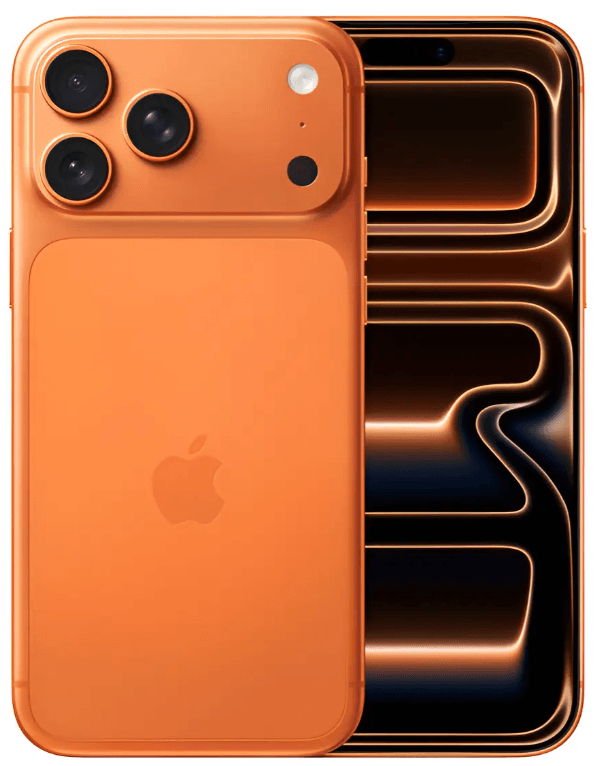
Apple iPhone 17 Pro Max – US Version – 256GB – Cosmic Orange – Unlocked (Renewed)
For a direct head-to-head against Android competition at the premium tier, the Xiaomi 17T Pro vs iPhone 17 Pro Max analysis breaks down every performance variable with real benchmark data.
Key specifications:
- Display: 6.9″, ProMotion 120 Hz, 3,000 nits peak brightness
- Battery: 5,088 mAh, up to 37 hours of video playback
- Base price: €1,289 / $1,198
5. Xiaomi POCO F8 Pro: The Definitive Flagship Killer
Snapdragon 8 Elite, LPDDR5X RAM, and UFS 4.1 storage below $499. No other price-to-performance combination comes close in 2026. The trade-off is in imaging, not processing: for pure gaming, the performance gap against a $1,200 device is minimal under real match conditions.
XIAOMI Poco F8 PRO 5G Ai (Compatible with Tmobile Mint Tello & Global – 512GB + 12GB – Bose Sound (Deal $649)
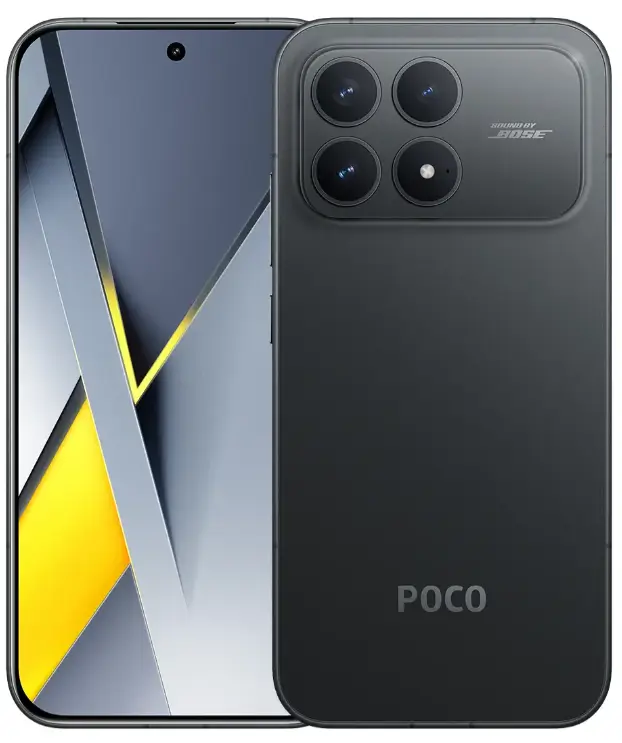
The 100W Hypercharge fully replenishes the 5,000 mAh cell in minutes, largely compensating for the capacity difference against larger cells in the segment.
Key specifications:
- Processor: Snapdragon 8 Elite
- Storage: LPDDR5X RAM, UFS 4.1
- Base price: under $799
6. ZTE Nubia Neo 5 GT 5G: Mid-Range Gaming with a Physical Fan
Few mid-range devices ship with an integrated physical fan from the factory. The Nubia Neo 5 GT does, and that single specification separates it from every competitor at its price point.
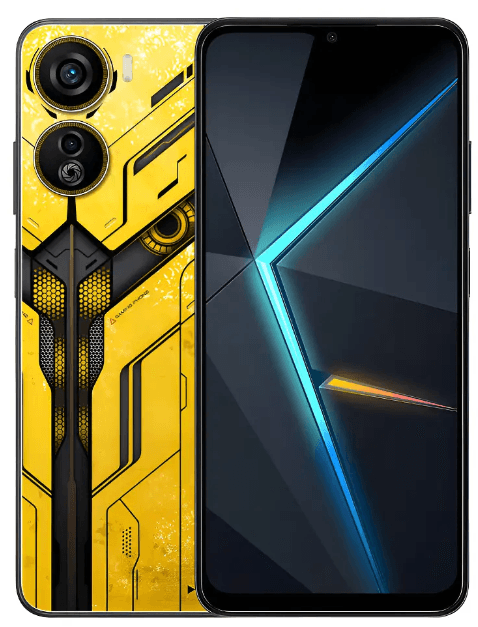
The 6.8-inch AMOLED display with 1.5K resolution and a 1,000,000:1 contrast ratio renders dark environments with precision, which is where the majority of competitive titles are set.
Key specifications:
- Display: AMOLED 6.8″, 1.5K, 144 Hz
- Battery: dual-cell 6,210 mAh
- Lateral triggers: 550 Hz touch sampling rate
- OS: Android 16
- Base price: €449 / approximately $479
7. OnePlus 15: Endurance and Visual Comfort for Extended Sessions
The OnePlus 15 resolves the most overlooked problem in extended gaming: eye strain. Its high-frequency PWM modulation at 2,160 Hz below 25% brightness eliminates the flicker that accumulates visual fatigue during prolonged sessions. A technical specification that no other device on this list prioritizes at the same level.

OnePlus 15 – 16GB RAM + 256GB Storage – 7300mAh Battery, Sand Storm (Deal $699)
The 6.78-inch AMOLED panel at 165 Hz and 3,500 nits peak brightness positions this model as the strongest option on the list for extended nighttime gaming. The Snapdragon 8 Elite Gen 5 works in conjunction with its proprietary software layer to dynamically redirect system resources toward the active title.
Key specifications:
- Display: AMOLED 6.78″, 165 Hz, 3,500 nits
- Battery: 7,300 mAh
- Base price: €685 / approximately $699
Comparative Specifications: Gaming Smartphones 2026
| Model | Processor | Refresh Rate | Battery | Key Differentiator | Base Price |
|---|---|---|---|---|---|
| REDMAGIC 11 Pro | SD 8 Elite Gen 5 | 144 Hz | 7,500 mAh | 24,000 RPM physical fan | €699 / $749 |
| ASUS ROG Phone 9 Pro | SD 8 Elite | 185 Hz | 5,800 mAh | AniMe Vision micro-LED panel | $1,499 |
| Samsung Galaxy S26 Ultra | SD 8 Elite “for Galaxy” | 120 Hz | 5,000 mAh | Hardware Privacy Display | €1,299 / $1,299 |
| Apple iPhone 17 Pro Max | Apple A19 Pro | 120 Hz | 5,088 mAh | Native Ray Tracing, iOS ecosystem | €1,289 / $1,289 |
| Xiaomi POCO F8 Pro | SD 8 Elite | 120 Hz | ~5,000 mAh | Best performance-to-price ratio | $649 |
| ZTE Nubia Neo 5 GT 5G | Gaming-optimized | 144 Hz | 6,210 mAh | Physical fan at mid-range pricing | €449 / ~$479 |
| OnePlus 15 | SD 8 Elite Gen 5 | 165 Hz | 7,300 mAh | 2,160 Hz PWM (eye fatigue reduction) | €685 / ~$699 |
For a broader view of the high-performance smartphone landscape in 2026, including the architectural implications of the 2nm silicon transition driving this generation, the Best High-End Smartphones of 2026 covers the complete segment context.
FAQ
Thermal throttling is the mechanism by which a processor automatically reduces its operating frequency upon detecting critical internal temperatures. In practical gaming terms: stuttering, FPS drops, and frozen frames after 30-45 minutes.
It depends entirely on use case. Gaming phones deliver physical triggers, active ventilation, and sustained thermal stability across long sessions. The direct trade-offs: increased chassis thickness, no wireless charging, and inferior camera systems. A flagship like the S26 Ultra is more versatile across professional use cases, but will experience measurable performance reductions after 45-60 minutes of continuous intensive gameplay.
For casual use, 240 Hz on-panel is adequate. For eSports and competitive shooters, the 2026 standard targets 360 Hz or higher on the display panel, with 550 Hz on dedicated physical triggers. The resulting latency reduction can be decisive in titles like PUBG Mobile or Call of Duty Mobile, where reaction times are measured in single-digit milliseconds.
Yes. It is noticeably heavier than any conventional flagship on this list. The direct trade-off is extreme autonomy and the integrated physical cooling architecture. For desktop or home gaming scenarios, the weight is effectively a non-factor. For extended portable use during travel or commutes, it may become uncomfortable over time.